Cancer Variant Analysis

Introduction to Cancer Genomics and Variant Detection

Flavio Lombardo

2025-12-12

Learning Objectives

After this session, you will be able to:

  • Understand why cancer is fundamentally a genomic disease
  • Distinguish between somatic and germline variants
  • Identify different types of mutations in cancer
  • Understand sequencing approaches for cancer genomics
  • Comprehend the bioinformatics workflow for variant detection
  • Appreciate the clinical relevance of variant calling

Cancer: A Disease of the Genome

Key characteristics:

  • Abnormal cell growth - uncontrolled proliferation
  • Invasive potential - ability to spread (metastasis)
  • Initiated by acquired genomic mutations affecting cell growth regulators
  • Mutations occur stochastically, but rate influenced by environment
  • Clonal evolution - natural selection of malignant cells
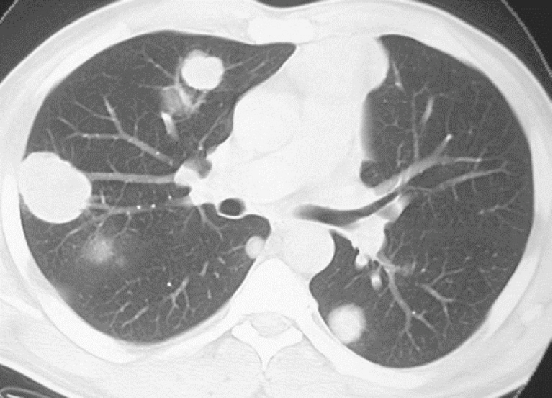
CT scan showing liver-metastatic cancer

CT image showing multiple lung masses in a patient with metastatic testicular seminoma, Source

Driver vs Passenger Mutations

Cancer genomes typically harbor 2-8 driver mutations (Vogelstein et al., 2013), though this varies by cancer type. Pediatric cancers often have fewer drivers, while hypermutated adult cancers may have more. Drivers represent a small minority of total mutations.

Hereditary vs Sporadic Cancer

Sporadic (~90-95%)

  • Acquired somatic mutations
  • Accumulate during lifetime
  • Environmental factors contribute

Hereditary (~5-10%)

  • Inherited predisposition alleles
  • BRCA1/2 (breast, ovarian)
  • Lynch syndrome genes (colorectal)
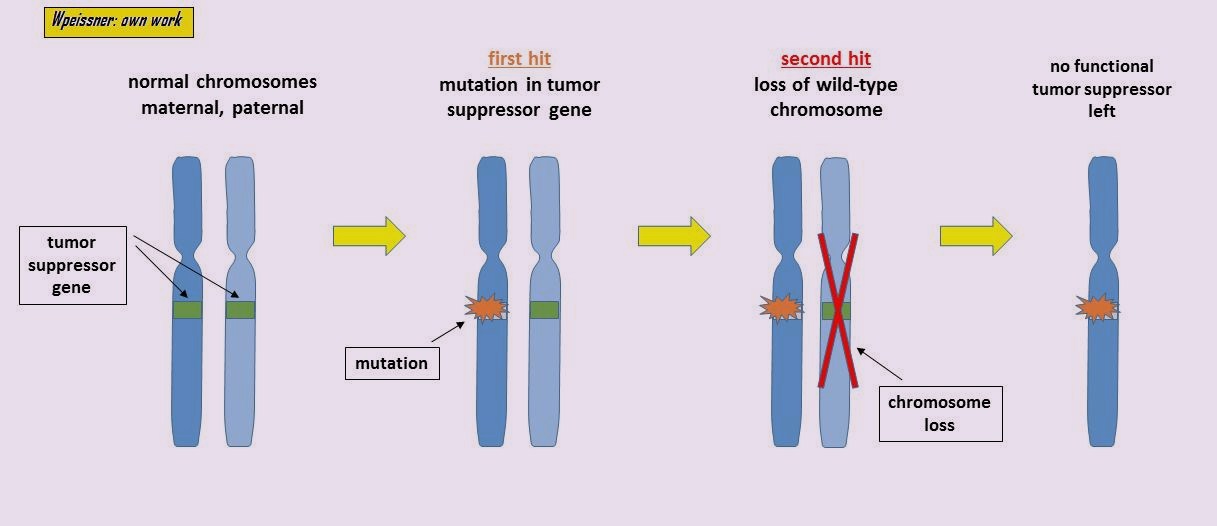
  • Still require somatic “second hits”

Knudson hypothesis

Knudson hypothesis: Tumor Suppressor Gene (Knudson, 1971), Source

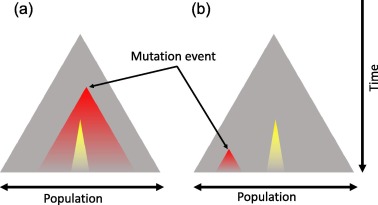
Somatic mutations create masaicism

Timing of Mutation Events: An earlier mutation (a) produces a larger population of mutant cells, than a later event (b), (Oota, 2020) Source

Clinical Relevance

Hereditary cancer syndromes have implications for family screening, risk reduction, and treatment options (e.g., PARP inhibitors for BRCA carriers).

The Hallmarks of Cancer

8 Core Hallmarks:

Hallmark Description
Sustaining proliferative signaling Self-sufficiency in growth signals
Evading growth suppressors Insensitivity to anti-growth signals
Resisting cell death Evading apoptosis
Enabling replicative immortality Limitless replicative potential
Inducing angiogenesis Sustained blood vessel formation
Activating invasion & metastasis Tissue invasion and spread
Avoiding immune destruction Escaping immune surveillance
Deregulating cellular energetics Altered metabolism (Warburg effect)

2 Enabling Characteristics: Genome instability & mutation; Tumor-promoting inflammation

Reference

Hanahan & Weinberg (2011) “Hallmarks of Cancer: The Next Generation” - Cell

Variant Terminology: Essential Definitions

Mutation: The process of change in DNA

Variant: A difference in DNA sequence compared to a reference (the outcome)

Somatic variant: Occurs only in specific cells/tissues - Not inherited - Arises during lifetime

Germline variant: Present in all cells - Can be passed to offspring - Present from conception

Polymorphism: Traditionally defined as variant >1% frequency in population (though “variant” is now preferred terminology)
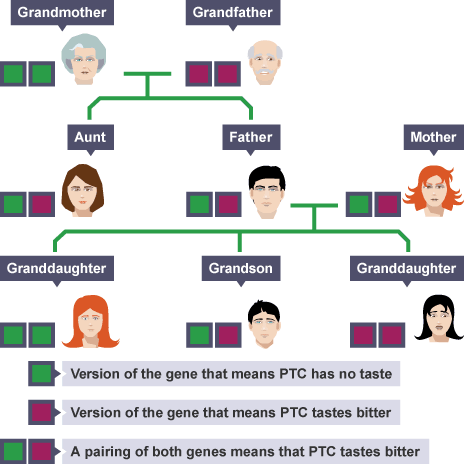
Pedigree showing inheritance pattern

PTC (Phenylthiocarbamide): A chemical that tastes bitter only to those with a specific inherited dominant variant. This pedigree shows its germline inheritance pattern. Source

Mutation vs Variant: A Practical Example

The Yellow Flower Example:

  • Mutation: The change in DNA that caused petals to turn yellow
  • Variant: The resulting DNA difference between yellow and white flowers

This is a somatic mutation - occurring during the plant’s development in one branch, analogous to somatic mutations in cancer.

The CCD4a gene mutation prevents breakdown of carotenoids, leading to yellow pigmentation.
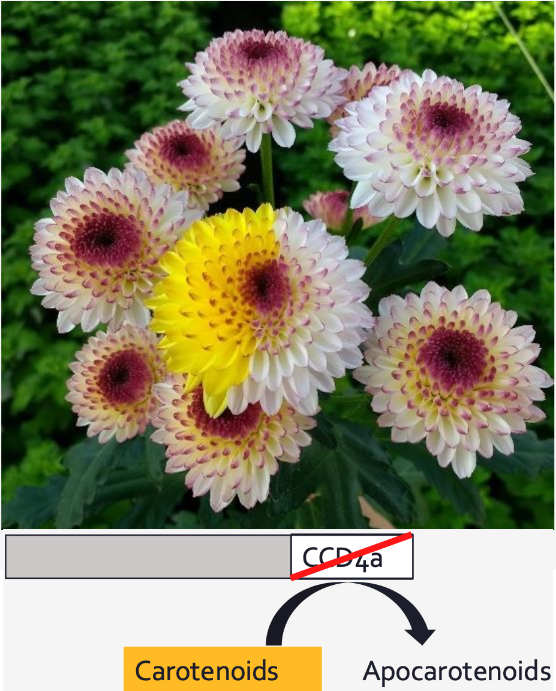
Yellow and white chrysanthemum flowers

Mutation example: chrysanthemum flowers (credit: Geert van Gest). Source

Types of Mutations in Cancer

Small-scale mutations

  • SNVs (Single Nucleotide Variants)
  • INDELs (Insertions and Deletions)

Structural variations

  • Large INDELs (>50bp)
  • Translocations - chromosomal rearrangements
  • Inversions - reversed DNA segments
  • Fusion transcripts - gene fusions from translocations
  • CNV (Copy Number Variation) - gains/losses of genomic regions

LOH (Loss of Heterozygosity) is a consequence of CNV or copy-neutral events, not a mutation type itself.

Clinical Relevance

Different mutation types require different detection methods and have distinct clinical implications for treatment selection.

Mutational Signatures: Fingerprints of Mutagenesis

Each mutational process leaves a characteristic pattern:

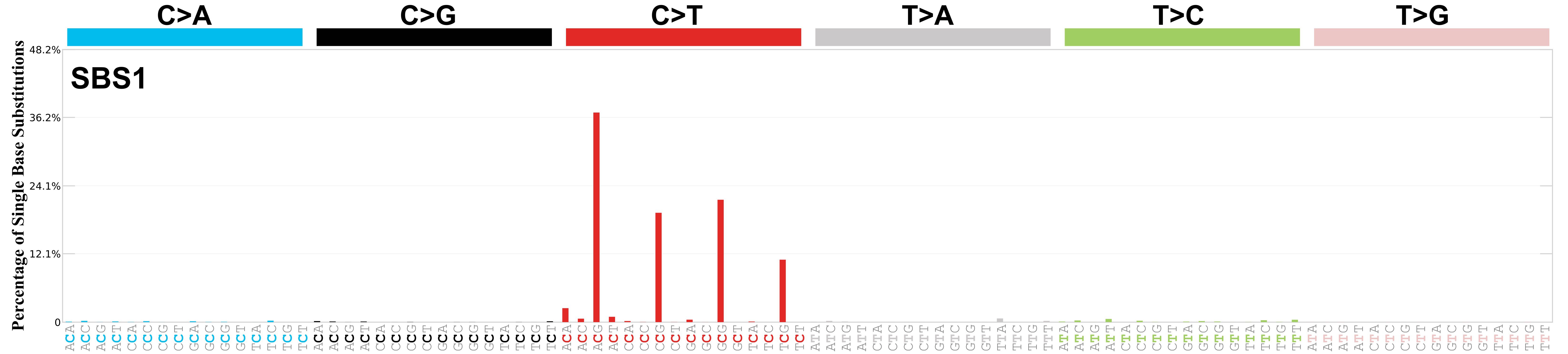
  • Signature 1: Aging, C>T at CpG sites, Transition (Py \(\leftrightarrow\) Py)

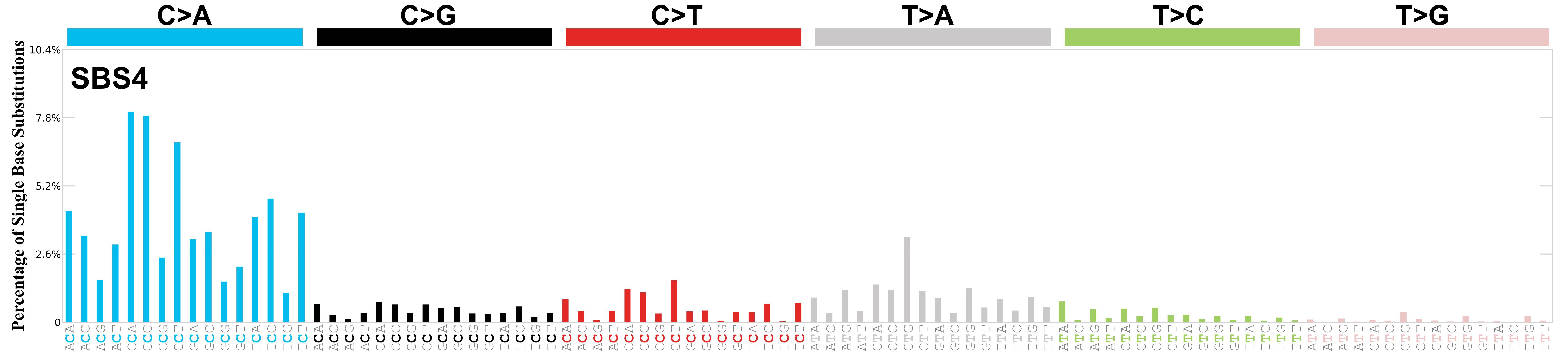
  • Signature 4: Tobacco smoking, C>A, Transversion (Py \(\leftrightarrow\) Pu)

  • Signature 6: Mismatch repair (MMR) deficiency

  • Signature 7: UV light, C>T at dipyrimidines, Transition

Clinical applications:

  • Understanding tumor etiology (e.g. Signature 4, 7)
  • Treatment selection (e.g., PARP inhibitors for HRD) (Signature 3)
  • Immunotherapy response prediction (Signature 6)

Mutational signature spectrum plot, SBS1, associated with ageing

Mutational signature SBS1: Ageing signature. Source

Mutational signature spectrum plot, SBS4, associated with smoking

Mutational signature SBS4: Smoking signature. Source

Transition: Swapping similar shapes (Purine \(\leftrightarrow\) Purine or Pyrimidine \(\leftrightarrow\) Pyrimidine). Transversion: Swapping different shapes (Purine \(\leftrightarrow\) Pyrimidine).

Reference

Alexandrov et al. (2020) “The repertoire of mutational signatures in human cancer” - Nature

Sequencing Strategies for Cancer Genomics

Coverage strategies

  • Whole Genome Sequencing (WGS)
    • Complete genome coverage
    • Detects all variant types
    • Best for structural variants
  • Whole Exome Sequencing (WES) (Bait Capture)
    • Protein-coding regions only
    • Cost-effective (
      WES 100x: 25 M 2 x 100 bp
      WGS 30x: 450 M 2 x 100 bp
      )
    • Misses non-coding regions
  • Custom panels (Bait Capture, mostly)
    • Targeted cancer genes
    • Deep coverage

Sequencing technologies

Short reads (2x150bp standard):

  • Illumina, MGI, Element, Ultima
  • High accuracy, mature pipelines

Long reads:

  • PacBio HiFi: >Q30 accuracy
  • Oxford Nanopore: Q20+ with R10.4.1
  • Superior for SVs and phasing

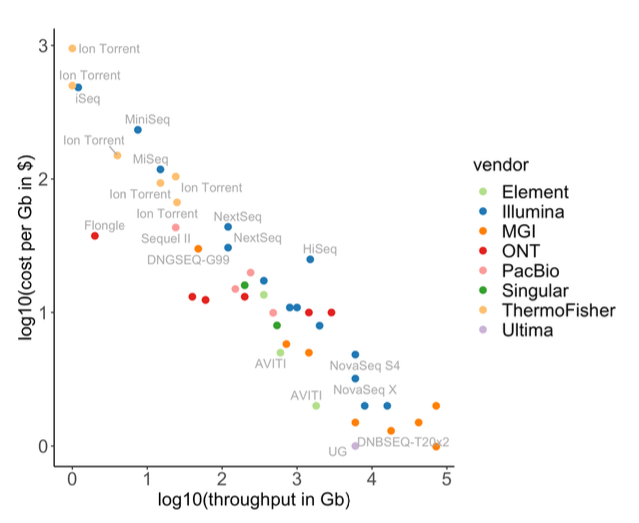
Sequencing technologies

Sequencing cost vs throughput, credit: Geert van Gest

Depth Recommendations

WGS: 60-100x tumor, 30-40x normal WES: 100-200x ctDNA: 10,000-30,000x

Experimental Design: Tumor-Normal Pairs

The challenge: Tumor tissue is heterogeneous - contains: - Tumor cells - Immune infiltrates - Stromal cells - Normal tissue

Solution: Paired samples

  1. Tumor sample - from the malignancy
  2. Normal sample - typically blood

For hematological malignancies, use skin biopsy or buccal swab (blood IS the tumor!)
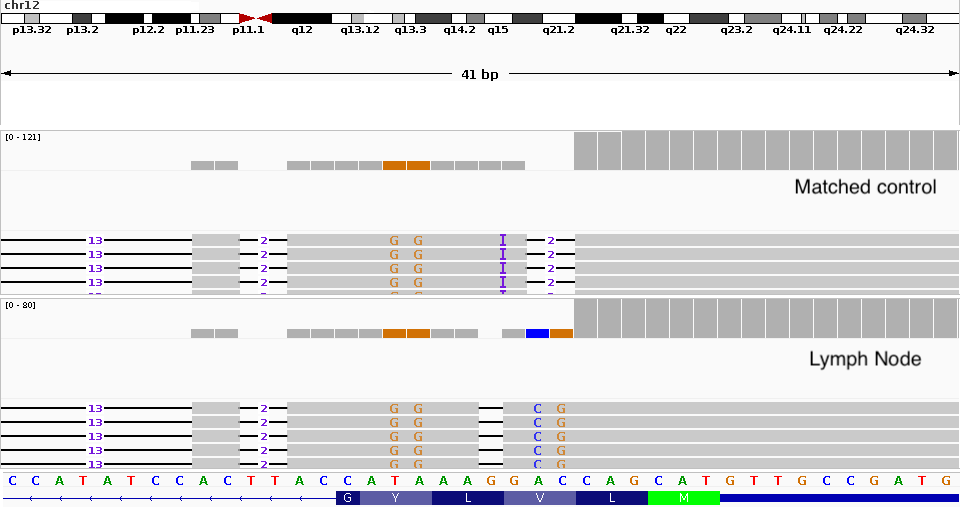
IGV showing tumor vs normal comparison

IGV normal matched vs tumor

Tumor Purity

Typical tumor purity ranges from 30-80%. Samples below 20-30% purity may have insufficient power for reliable somatic variant detection. Consider pathologist review or microdissection.

Bioinformatics Workflow Overview

flowchart LR
    A[Raw FASTQ] --> B[QC + Adapter<br/>fastp/MultiQC]
    B --> C[Alignment<br/>bwa-mem2]
    C --> D[Add Read Groups]
    D --> E[Mark Duplicates<br/>GATK]
    E --> F[BQSR]
    F --> G[Contamination<br/>Check]
    G --> H[Mutect2]
    H --> I[Filter<br/>Calls]
    I --> J[Annotation<br/>VEP]

    %% Define the yellow style class
    classDef covered fill:#ffeb3b,stroke:#333,stroke-width:2px;

    %% Apply the class to specific nodes
    class B,H,I,J covered;

Critical Note

Variant annotation is essential but often overlooked! Without functional annotation and clinical database lookup, variants have limited utility.

Note

Course Scope

The steps highlighted in yellow are directly discussed in this course.

The remaining steps are not mentioned here but are covered in other courses (e.g., NGS - Variant Analysis and NGS - Quality Control, Alignment, Visualisation). However, we provide the scripts for the analysis in the course GitHub repo.

The SAM/BAM/CRAM File Formats

Purpose: Store sequence alignments

Key points:

  • SAM: Text-based (Human readable)
  • BAM: Lossless binary compressed SAM
    • Indexable (Fast random access)
  • CRAM: Ref-based compression
    • Lossless or Lossy modes
    • ~30-60% smaller than BAM
    • Requires access to the reference genome for decoding

1. Header (@ lines)

@HD VN:1.6  SO:coordinate
@SQ SN:chr6 LN:170805979
@SQ SN:chr17    LN:83257441
@RG ID:HWI-ST466.C1TD1ACXX.normal   LB:normal   PL:ILLUMINA SM:normal   PU:HWI-ST466.C1TD1ACXX
@PG ID:bwa  PN:bwa  VN:0.7.17-r1188 CL:bwa mem /config/data/reference//ref_genome.fa /config/data/reads/normal_R1.fastq.gz /config/data/reads/normal_R2.fastq.gz
@PG ID:samtools PN:samtools PP:bwa  VN:1.21 CL:samtools sort
@PG ID:samtools.1   PN:samtools PP:samtools VN:1.21 CL:samtools view -bh

2. Alignment Record (The actual reads)

read1  99  chr6  1000  60  76M  =  1150  226  ATGC...  ####
Field Meaning
QNAME Query / Read Name (read1)
FLAG Bitwise flags describing state (99)
RNAME Reference sequence / Chromosome (chr6)
POS 1-based mapping position (1000)
MAPQ Mapping quality / Confidence (60)
CIGAR Alignment String (76M)
SEQ Nucleotide sequence (ATGC...)
QUAL Base quality scores (####)

Additional SAM fields in this example

  • RNEXT = = (mate maps to same chromosome)
  • PNEXT = 1150 (mate’s mapping position)
  • TLEN = 226 (template/insert length in bp)

Marking PCR Duplicates

Why it matters:

  • Variant callers assume each read is an independent observation
  • PCR/optical duplicates violate this assumption
  • Can lead to false positive variant calls

Solution:

  • Mark duplicates based on alignment coordinates
  • Use Unique Molecular Identifiers (UMIs) for accurate deduplication - especially important for low-input and ctDNA samples

Tool: gatk MarkDuplicates

Diagram showing PCR duplicate reads

Mark duplicates, Source

Read Groups: Organizing Your Data

Purpose: Track metadata for groups of reads within BAM files

Key Read Group Tags:

  • ID: Unique read group identifier
  • SM: Sample name (patient/specimen)
    • Critical for multi-sample calling
    • Tumor vs. Normal distinction
  • LB: Library prep identifier
    • Used for duplicate marking
  • PL: Sequencing platform
  • PU: Platform unit (flowcell.lane)
    • For tracking batch effects

Why read groups matter:

  • BQSR: Models built per-read-group
  • Merging: Combine multiple lanes/runs per sample
  • Duplicate marking: Per-library detection
  • Somatic calling: Required to distinguish tumor/normal
  • QC & troubleshooting: Track technical artifacts

Header Example (Tumor-Normal Pair):

Normal:

@RG ID:normal.lane1  SM:patient001_normal  LB:lib_n  PL:ILLUMINA  PU:HWI.lane1
@RG ID:normal.lane2  SM:patient001_normal  LB:lib_n  PL:ILLUMINA  PU:HWI.lane2

Tumor:

@RG ID:tumor.lane1   SM:patient001_tumor   LB:lib_t  PL:ILLUMINA  PU:HWI.lane1
@RG ID:tumor.lane2   SM:patient001_tumor   LB:lib_t  PL:ILLUMINA  PU:HWI.lane2

Alignment Record with Read Group:

read1  99  chr20  1000  60  76M  =  1150  226  ATGC...  ####  RG:Z:tumor.lane1
Tag Value Meaning
RG:Z: tumor.lane1 Links read to @RG ID:tumor.lane1

Somatic Variant Calling Context

Mutect2 uses the SM: field to identify tumor and normal samples. Without proper read groups, somatic callers cannot distinguish between samples!

Best Practice

Add read groups during alignment for efficiency:

bwa mem -R '@RG\tID:tumor.lane1\tSM:patient001_tumor\tLB:lib_t\tPL:ILLUMINA' ref.fa reads.fq

Avoid post-hoc addition (e.g., GATK AddOrReplaceReadGroups) when possible.

Somatic Variant Calling Challenges

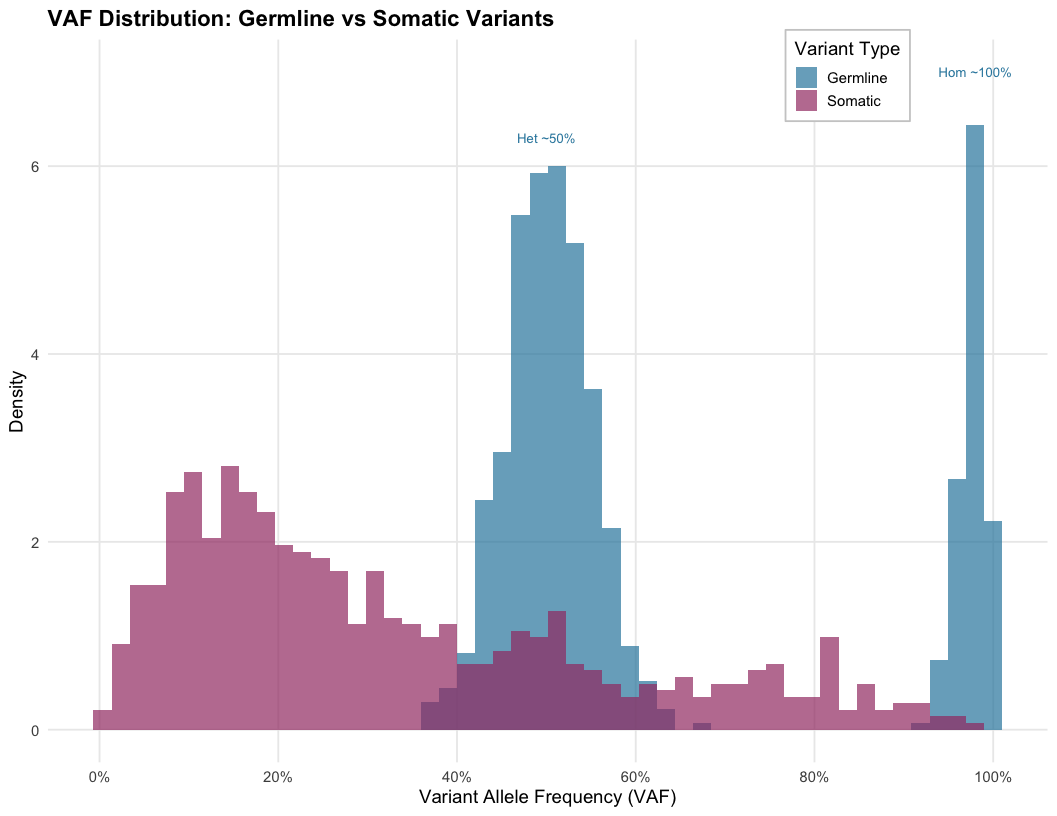
Germline calling assumes:

  • Heterozygous: ~50% VAF (typically 30-70% due to technical variation)
  • Homozygous: ~100% VAF

These assumptions fail in tumors:

  • Variable tumor purity (30-80%, which is effectively contamination by normal cells)
  • Clonal heterogeneity (subclones)
  • Copy number alterations
  • VAF can be anywhere from <1% to 100%

Additional challenges:

  • Sequencing errors, alignment artifacts
  • FFPE artifacts
    • C>T/G>A deamination
    • 8-oxoG which causes the G>T transversions
  • Sample contamination


VAF distribution comparison

Let’s make an example (assuming diploid genome and CN=2)

1. The Ideal Case
Sample is 100% Tumor

If a mutation is heterozygous (1 of 2 alleles): \[\text{VAF} = \frac{1}{2} = \mathbf{50\%}\]

To a caller, this looks like a clear, standard germline variant.

2. Closer to reality
Sample is 40% Tumor (60% Normal)

The normal cells (wild type) dilute the signal. \[\text{VAF} = \frac{\text{Purity}}{2}\] \[\text{VAF} = \frac{0.40}{2} = \mathbf{20\%}\]

Real-world complications

Aneuploidy complicates this further: In real cases, copy number alterations can dramatically change expected VAF. For example, if the mutation is on a region with CN=4, the math becomes more complex.

Tumor-infiltrated controls: Matched control samples can also be tumor-infiltrated, making it sometimes impossible to distinguish true somatic variants from germline or contamination.

Tumor Purity, Ploidy, and Clonality

Key concepts:

Tumor purity: Fraction of tumor cells in sample

Ploidy: Average copy number across genome (often >2 in cancer)

Clonal variants: Present in all tumor cells

Subclonal variants: Present in a subset of tumor cells

VAF interpretation examples:

  • Pure tumor (100%), clonal het variant → VAF ≈ 50%
  • 50% purity, clonal het variant → VAF ≈ 25%
  • 50% purity, subclonal variant (20% of cells) → VAF ≈ 5%
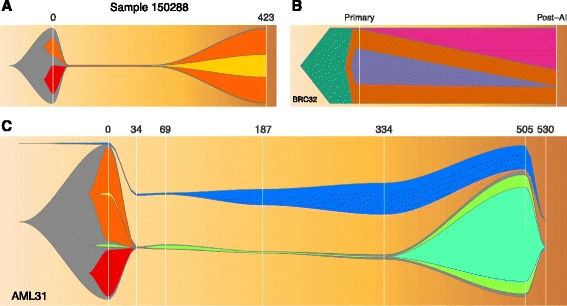
Fish plot showing clonal evolution

Fish plot of clonal evolution: Panel a A case of primary and relapsed AML. Panel b A breast cancer before and after neoadjuvant aromatase inhibitor therapy. Panel c An AML with complex clonal structure and 7 timepoints, Source

Clinical Relevance

Subclonal variants can become dominant after treatment selection pressure, leading to resistance.

Variant Filtering Strategies

Three key considerations:

1. Sequencing Error

  • Base quality scores (Phred: Q30 = 1/1000 error)
  • Variant allele frequency
  • Strand bias
  • Mapping quality (ie MAPQ ≥ 20)

2. Technical Artifacts

  • Panel of Normals (PoN): Database of artifacts seen in normal samples
  • Systematic errors from library prep or sequencing
  • FFPE artifacts

3. Germline Filtering

  • Compare with matched normal
  • Filter using population databases:
    • gnomAD v4.0 (>800K individuals)
    • 1000 Genomes Phase 3 (~2,500 individuals)
  • Common variants (AF > 0.1%) are typically germline

gnomAD

The Genome Aggregation Database contains variant frequencies essential for filtering common germline variants. Most callers (Mutect2, Strelka2) apply these filters automatically, but understanding the logic helps with troubleshooting false positives.

GATK Mutect2 Workflow

flowchart TD
    A[Tumor BAM] --> C[Mutect2]
    B[Normal BAM] --> C
    D[Panel of Normals] --> C
    E[Germline Resource] --> C
    
    A -.-> |optional| F[GetPileupSummaries]
    E -.-> F
    F -.-> G[CalculateContamination]
    G -.-> |if available| H
    
    C --> H[FilterMutectCalls]
    H --> I[Filtered VCF]
    I --> J[VEP Annotation]

Key features:

  • Haplotype-aware variant calling (local assembly)
  • Joint analysis of tumor-normal pairs
  • Integrated contamination estimation
  • F1R2 (Forward 1st, Reverse 2nd) artifact filtering

PoN vs gnomAD

  • Germline Resource: Filters biological germline variants (universal)
  • PoN: Filters technical artifacts (platform-specific)

Public PoNs exist but work best when your sequencing protocol matches theirs. When in doubt, build your own!

You can find every step’s relative script here

The VCF File Format

Variant Call Format Standard for storing variant data (current: v4.3)

##fileformat=VCFv4.3
##INFO=<ID=DP,Number=1,Type=Integer,Description="Total Depth">
##INFO=<ID=AF,Number=A,Type=Float,Description="Allele Frequency">
##FILTER=<ID=weak_evidence,Description="Insufficient support">
##FILTER=<ID=germline,Description="Likely germline variant">
##FORMAT=<ID=GT,Number=1,Type=String,Description="Genotype">
##FORMAT=<ID=AD,Number=R,Type=Integer,Description="Allelic depths (REF,ALT)">
##FORMAT=<ID=AF,Number=A,Type=Float,Description="Allele Frequency">
#CHROM  POS     ID        REF  ALT  QUAL  FILTER  INFO        FORMAT      TUMOR       NORMAL
chr17   7577538 rs123     G    A    .     PASS    DP=100      GT:AD:AF    0/1:70,30:0.30  0/0:50,0:0.0
chr17   7578406 .         C    T    .     germline DP=85     GT:AD:AF    0/1:40,45:0.53  0/1:30,25:0.45

Key columns explained:

  • CHROM/POS: Genomic location
  • REF/ALT: Reference and alternate alleles
  • FILTER: Quality filters applied (PASS = passed all)
  • FORMAT: Defines sample-specific fields
  • GT: Genotype (0/0=hom ref, 0/1=het, 1/1=hom alt)
  • AD: Allele depths (REF count, ALT count)
  • AF: Variant Allele Frequency = ALT/(REF+ALT)

Example interpretation:

Row 1: Somatic mutation (30% VAF in tumor, 0% in normal) ✓
Row 2: Germline variant (present in both tumor and normal) ✗

FILTER Field

“PASS” means the variant passed all filters, not that it’s biologically validated. Clinical decisions require orthogonal validation (Sanger, ddPCR, amplicon-seq).

Variant Annotation: The Critical Step

After calling, variants need biological context:

Functional Annotation

  • VEP (Ensembl) or SnpEff
  • Effect prediction: missense, nonsense, splice site
  • Impact assessment: SIFT, PolyPhen, CADD scores

Clinical Databases

  • ClinVar: Clinical significance
  • COSMIC: Cancer mutation database
  • OncoKB, CIViC: Actionability

Population Frequencies

  • gnomAD, dbSNP
  • Filter common germline variants

Tools

VEP offers extensive plugin ecosystem.

Structural Variation Detection

Types:

  • Large insertions/deletions
  • Translocations
  • Inversions
  • Complex rearrangements

Detection methods:

  • Discordant read pairs
  • Split reads
  • Read depth changes
  • Assembly-based approaches

Tools: Manta, Tiddit, GRIDSS2, DELLY, Sniffles2 (long reads)
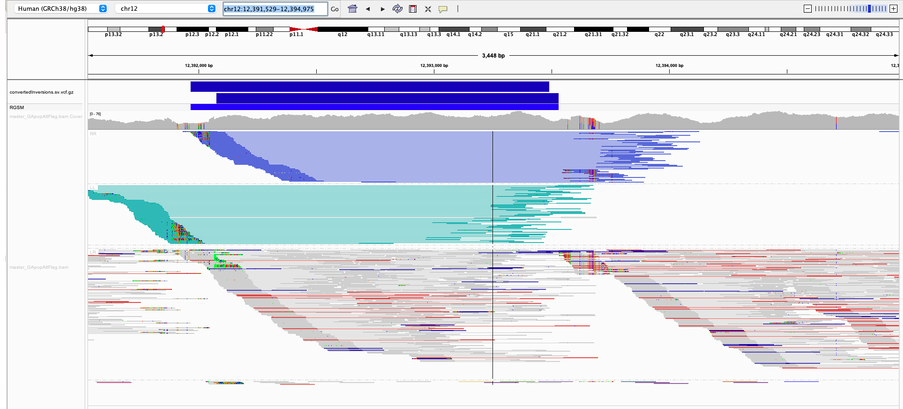
IGV showing structural variant

SV: inversion in IGV, Source

Long Reads Advantage

Long-read sequencing (PacBio HiFi, ONT) dramatically improves structural variant detection, especially for complex rearrangements and insertions.

Copy Number Variation (CNV)

Characteristics:

  • Gains or losses of genomic segments
  • Full chromosome or arm-level events common
  • Can cause Loss of Heterozygosity (LOH)

Detection approach:

  1. Calculate coverage in bins
  2. Normalize for GC content and mappability
  3. Compare tumor vs normal ratio
  4. Segment and call CNV regions

Tools: CNVkit, ASCAT, Control-FREEC, PURPLE
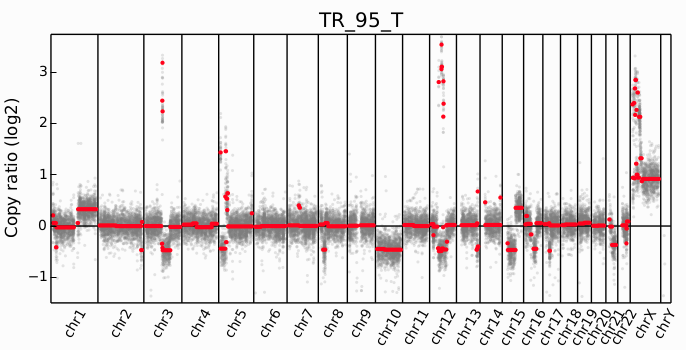
CNVKit scatter plot

CNV scatter pot, Source

Clinical Example

ERBB2 (HER2) amplification in breast cancer determines eligibility for trastuzumab. MYC amplification is prognostic in many cancers.

Gene Fusions in Cancer

Mechanism:

  • Chromosomal translocation
  • Fusion of gene elements
  • Creates chimeric transcripts

Detection data types:

  • WGS (genomic breakpoints)
  • WES (if breakpoints in exons)
  • RNA-seq (fusion transcripts)

Detection method: Discordant alignments where paired reads map to different genes/chromosomes

Tools: Manta (DNA), STAR-Fusion, Arriba (RNA-seq)
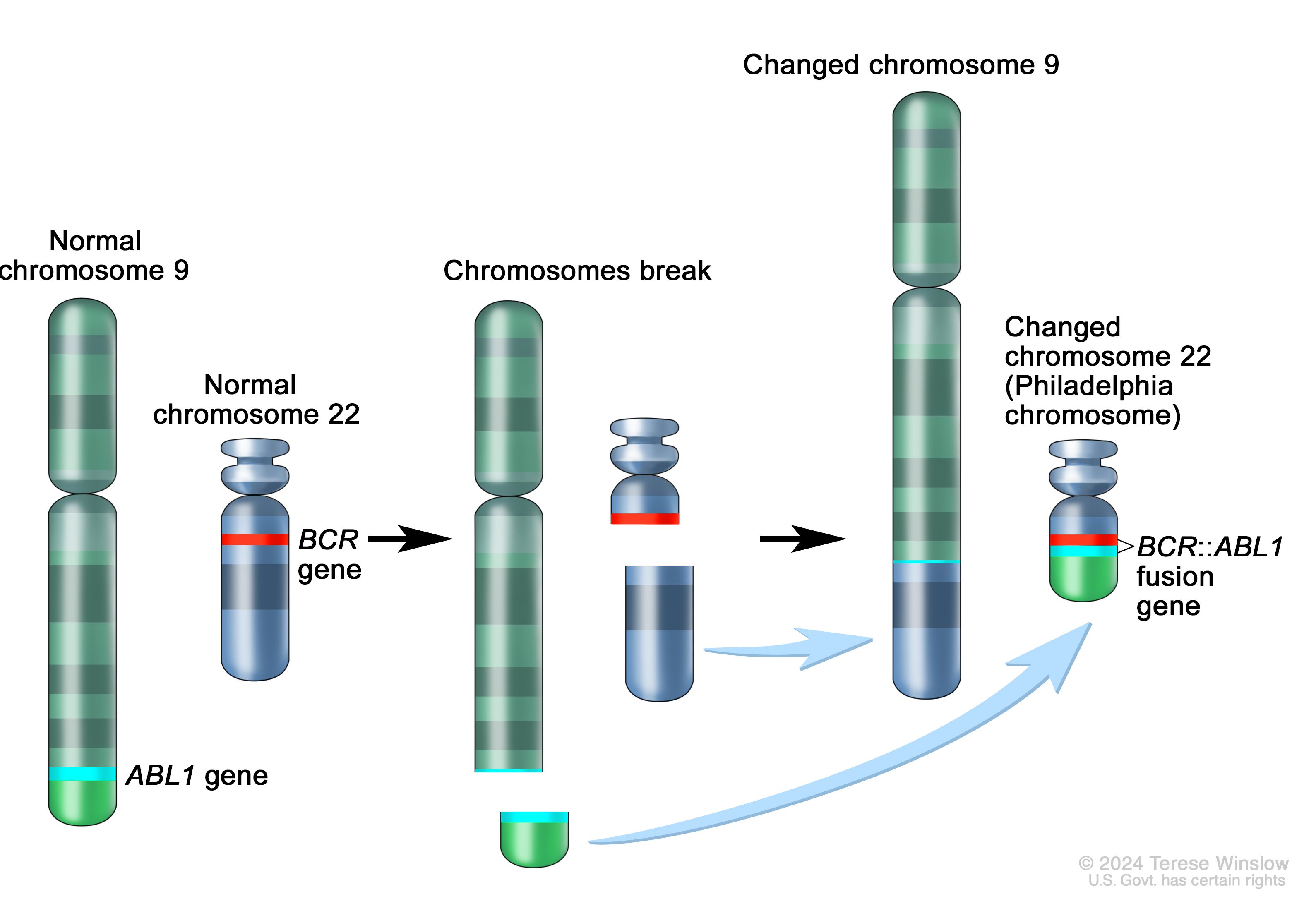
CNVKit scatter plot

BCR::ABL1 fusion, Source

Famous Example

BCR-ABL fusion in CML(Chronic Myeloid Leukemia)

  • discovered 1960
  • translocation identified 1973
  • imatinib approved 2001.

From observation to targeted therapy took 41 years; today we can do this computationally.

Quality Control Metrics

Essential QC checks at each stage:

Metric Expected Value Interpretation
Mapping rate >95% Low = contamination or poor quality
Duplicate rate <30% (WGS) High = low library complexity
Mean coverage As specified Low = insufficient data
Coverage uniformity CV <0.2 High variability = capture issues
Contamination <1-2% High = sample swap or cross-contamination
Ti/Tv ratio ~2.0-2.1 (WGS), ~3.0-3.3 (exome) Low = sequencing errors enriched
Insert size 200-400bp (Illumina) Bimodal = library issues
GC bias Flat across 30-70% GC Strong bias = PCR or coverage issues

Tools: fastQC, MultiQC, mosdepth, GATK CollectHsMetrics

Summary and Key Takeaways

Cancer Genomics Fundamentals:

  • Cancer is driven by genomic alterations
  • Both small variants and structural changes
  • Somatic vs germline distinction critical
  • ~5-10% hereditary predisposition

Technical Considerations:

  • Tumor-normal paired design
  • Appropriate sequencing strategy
  • Quality preprocessing essential
  • Purity >30% recommended

Variant Calling:

  • Haplotype-aware methods (Mutect2)
  • Multiple filtering strategies
  • Standard file formats (BAM, VCF)
  • Annotation is essential!

Clinical Applications:

  • Mutational signatures reveal etiology
  • TMB predicts immunotherapy response
  • Fusions guide targeted therapy
  • CNV determines treatment options

References and Resources

Key Papers:

  • Hanahan & Weinberg (2011) Cell - Hallmarks of Cancer
  • Vogelstein et al. (2013) Science - Cancer Genome Landscapes
  • Alexandrov et al. (2020) Nature - Mutational Signatures
  • Cibulskis et al. (2013) Nature Biotech - MuTect
  • Karczewski et al. (2020) Nature - gnomAD

Databases:

  • COSMIC (cancer.sanger.ac.uk) - Somatic mutations
  • gnomAD (gnomad.broadinstitute.org) - Population frequencies
  • ClinVar - Clinical interpretations
  • OncoKB - Precision oncology knowledge

Tools & Pipelines:

  • GATK (gatk.broadinstitute.org)
  • nf-core/sarek - Production pipeline
  • IGV (igv.org) - Visualization

Exercises

Giphy