Biology-informed Integration and Visualization of Multiomics Data
Teacher
- Deepak Tanwar ORCiD
Helper
- Joana Carlevaro-Fita ORCiD
License & copyright
License: CC BY 4.0
Copyright: SIB Swiss Institute of Bioinformatics
Learning outcomes
General learning outcomes
At the end of the course, the participants are expected to:
- Explain the conceptual basis and necessary data structures for integrating ATAC-seq, RNA-seq, ChIP-seq, and bisulphite-seq.
- Execute the full pipeline to import, normalize, and integrate pre-processed multiomics data using R and Bioconductor packages.
- Differentiate and compare the results obtained from functional analysis methods to identify key regulated regions.
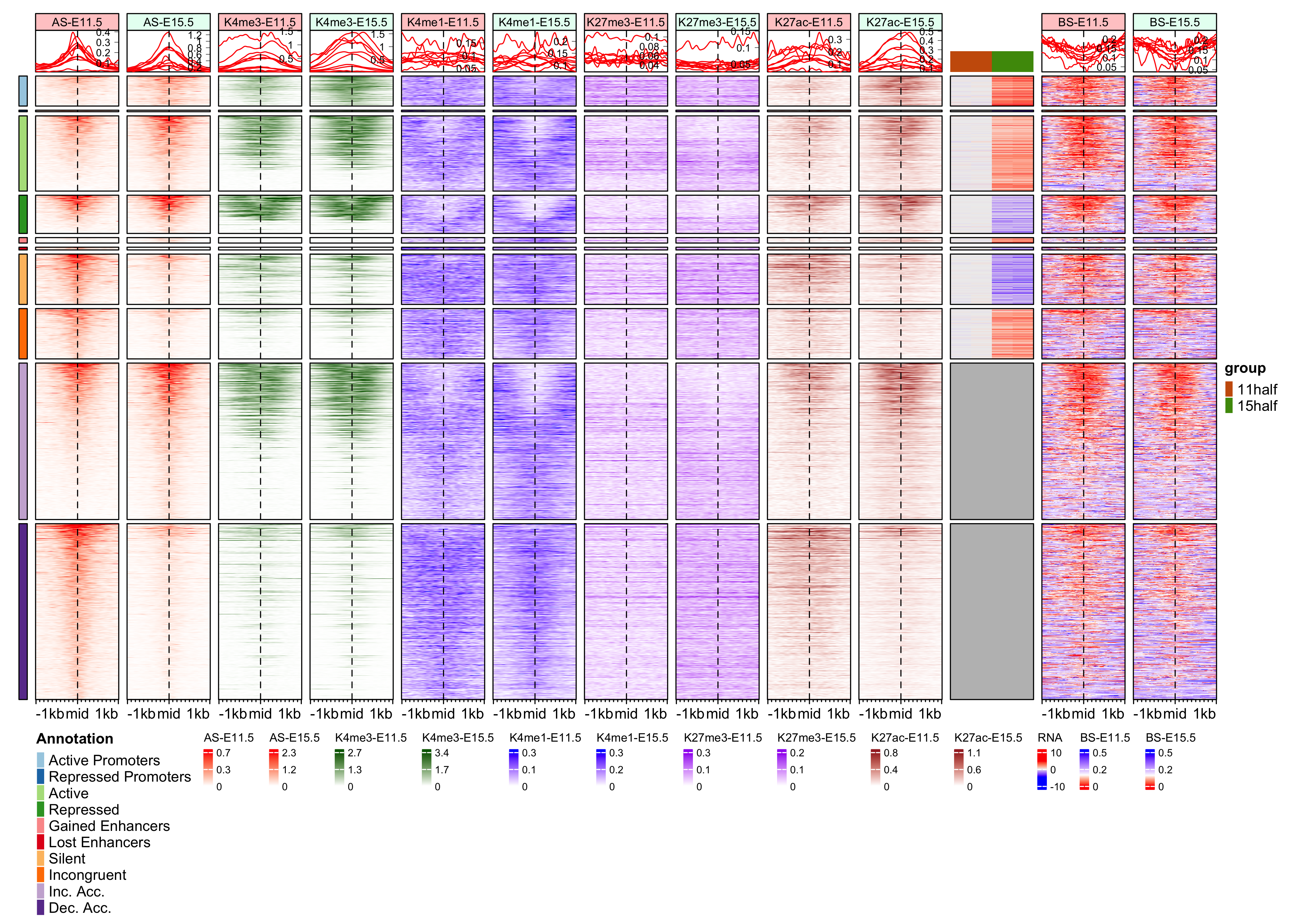
- Design and generate advanced visualisations, for example enriched heatmaps, to effectively communicate the complex findings of multiomics data integration.
- Lead the analysis and biological interpretation of a multiomics dataset, functioning as a culminating, challenging application of the entire workflow.
Learning outcomes explained
To reach the general learning outcomes above, we have set a number of smaller learning outcomes. Each chapter starts with these smaller learning outcomes. Use these at the start of a chapter to get an idea what you will learn. Use them also at the end of a chapter to evaluate whether you have learned what you were expected to learn.
Learning experiences
To reach the learning outcomes we will use lectures, exercises, polls and group work. During exercises, you are free to discuss with other participants. During lectures, focus on the lecture only.
Exercises
Each block has practical work involved. Some more than others. The practicals are subdivided into chapters, and we’ll have a (short) discussion after each chapter. All answers to the practicals are incorporated, but they are hidden. Do the exercise first by yourself, before checking out the answer. If your answer is different from the answer in the practicals, try to figure out why they are different.